

Your brain is a time machine
We all have a future-gazing superpower – but how do we learn to use it for good?

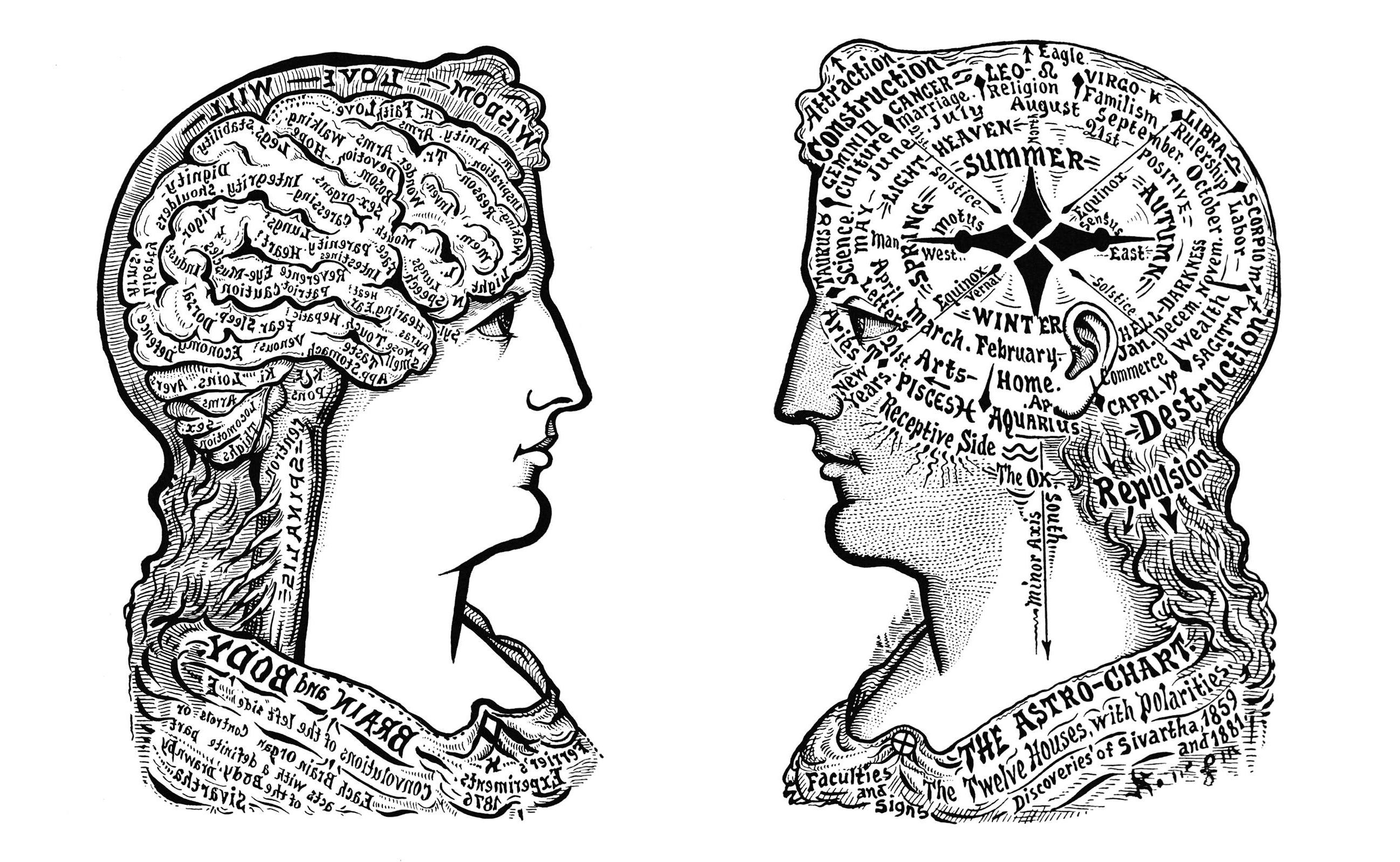
We all have an innate ability to imagine the future. Unfortunately, it’s not going to help you predict this weekend’s lottery numbers, but I still like to think of it as a superpower.
This ability is unique to humans – and maybe crows, though we haven’t figured out how to ask them yet. It allows us to learn from the past and project ourselves into the future. Different thinkers and academics have their own ways of describing this power, but I love the term coined by psychologist and neuroscientist Endel Tulving: mental time travel.
It’s not quite as thrilling as hopping into a sci-fi time machine, but mental time travel lets us “visit” the past, anticipate what might happen next, and imagine potential futures by “projecting” ourselves into them.
It’s not hard to guess why mental time travel is incredibly important. It’s how we learn from mistakes, plan ahead, envision what’s possible, and, ultimately, stay alive. Every day, we use this power without even realising it. Think about the last 24 hours – how often have you used past knowledge to guide your next move? Like grabbing an umbrella because the clouds look ominous, or bringing a snack to the gym because you remember how hangry you got after your last workout.
These are mundane, day-to-day examples – what experts in future studies call everyday foresight. But what about bigger decisions? Moving to a new city, deciding whether to have kids, choosing a new career path, or ending a relationship. These life-changing choices often involve a lot of reflection on the past and projection into the future.
But, if I’ve learned one thing from superhero movies, it’s that superhuman powers aren’t much use if you don’t know how to wield them – and this applies to mental time travel, too. Because many of us really struggle to think about the future. Maybe you obsess over things that never happen, panic over worst-case scenarios, or ignore signs until it’s too late. If you’ve ever scrapped a decision, only to rely on a horoscope for guidance, you’re not alone.
On top of that, we’re constantly dealing with internal struggles – our own unique constellation of mental health challenges, biases, fears, and past traumas. All of this noise can cloud our ability to think clearly about the future. That’s where The Future Hunter comes in.
For a long time, I found it difficult – and sometimes impossible – to imagine the future. I’ll be sharing more about my personal experinces soon, as I’m sure many of you can relate.
Here, we’ll explore everything from ancient prophecies and fortune-telling myths to what modern psychology says about how we handle the swift passage of time. We’ll dive into the minds of today’s “prophets” – therapists, sci-fi authors, researchers, and investors who are all trying to predict what’s coming next.
I believe that learning to think about the future is an urgent task, though not an easy one. Many of us find the future overwhelming. In one study, more than three-quarters of young people said they felt the future was “frightening,” with concerns about climate change and uncertainty looming large.
But we have to try. By imagining possible futures today, we can approach tomorrow with hope, not dread – with a plan, not panic.
I’m excited for you to join me on this journey. If you’re new to Substack, you can read all my posts for The Future Hunter at thefuturehunter.substack.com. Even better, subscribe to get new posts straight to your inbox.
For now, all posts are free, but I may offer special content for subscribers down the line. If you’d like to support my work (thank you!), just click the button and choose an option that suits you.